

Data-Driven Decisions: The Crucial Role of Information in Building Information Modelling
Enhancing Efficiency and Collaboration in BIM
Data plays a pivotal role in the realm of Building Information Modelling Yorkshire, serving as the foundation upon which effective digital representations of construction projects are built. BIM relies on accurate and comprehensive data to create virtual models that simulate the entire lifecycle of a building, from design and construction to operation and maintenance. The importance of data in BIM cannot be overstated, as it underpins the functionality, accuracy, and efficiency of the entire process.
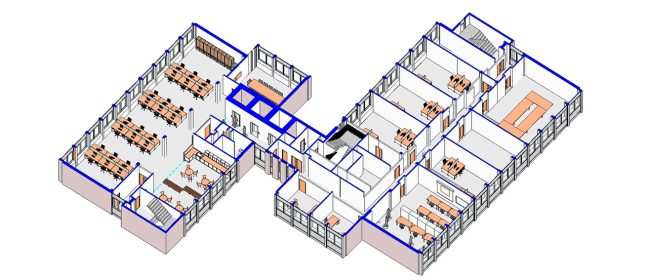 At the core of BIM is the integration of multiple data sources and disciplines, including architectural, structural, mechanical, electrical, and plumbing (MEP) data. Each of these data sets contributes essential information that collectively forms a cohesive digital representation of the building project. From floor plans and elevations to structural analyses and equipment specifications, data integration in BIM enables stakeholders to collaborate effectively and make informed decisions throughout the project lifecycle.
Accurate and up-to-date data is crucial for ensuring the reliability and precision of BIM models. Inaccuracies or inconsistencies in data can lead to errors in the virtual representation, potentially causing costly rework and delays during the construction phase. Therefore, data quality control measures, such as validation processes and data standardization protocols, are integral to maintaining the integrity of BIM models and improving overall project outcomes.
Furthermore, the accessibility and interoperability of data are essential considerations in BIM implementation. Utilizing open data standards and interoperable software platforms allows for seamless data exchange among project stakeholders, including architects, engineers, contractors, and facility managers. This interoperability facilitates collaboration, reduces data silos, and promotes efficiency in project workflows.
In addition to supporting design and construction phases, data in BIM continues to deliver value during the operational phase of a building. BIM-enabled data integration enables facilities management teams to access critical information about building components, systems, and performance metrics. This data-driven approach to facility management enhances maintenance planning, energy efficiency optimization, and overall building performance.
In conclusion, the importance of data for Building Information Modelling (BIM) cannot be overstated, as it forms the backbone of digital representations that drive informed decision-making, collaboration, and efficiency throughout the entire building lifecycle. Accurate, accessible, and interoperable data ensures the reliability and effectiveness of BIM models, ultimately leading to improved project outcomes and enhanced building performance.