

Finding Your Automotive Oasis: Navigating the World of Auto Repair Shops
Keeping your car running smoothly requires regular maintenance and occasional repairs. But with a plethora of auto repair shops vying for your business, choosing the right one can feel overwhelming. Here’s a roadmap to navigate this landscape and find a reliable haven for your car’s needs.
Start by leveraging the power of word-of-mouth recommendations. Ask friends, family, and colleagues for their experiences with local auto repair shop. Positive feedback from trusted sources is a strong indicator of a shop’s reputation. Online review platforms can also be helpful, but be cautious – read a variety of reviews to get a well-rounded perspective and identify any recurring themes.
Once you have a shortlist of potential shops, delve deeper into their credentials and certifications. Look for shops with technicians who are Automotive Service Excellence (ASE) certified. This certification program demonstrates a mechanic’s knowledge and expertise in specific automotive repair areas. Additionally, inquire about the shop’s experience working on your specific car make and model. A shop with experience in handling similar vehicles is likely to have a better understanding of its common issues and best repair practices.
Transparency is key. Before any repairs begin, ensure the shop provides a detailed estimate outlining the work to be done, the parts required, and the associated costs. Don’t hesitate to ask questions and clarify anything you don’t understand. A reputable shop will be happy to explain the repairs in layman’s terms and address your concerns openly.
Finally, consider the overall customer service experience. Does the shop staff greet you professionally and listen attentively to your concerns? Do they explain the repair process clearly and provide realistic timeframes for completion? A positive and courteous demeanor is indicative of a shop that values its customers and prioritizes their satisfaction.
Just like your body needs regular checkups, your car thrives on preventative maintenance. Regular car servicing is an investment in your vehicle’s longevity, performance, and safety. But how often should you get your car serviced at auto repair shop?
The answer depends on several factors, including your car’s age, mileage, and driving habits. Generally, most manufacturers recommend a standard oil change and routine maintenance check every 3,000 to 5,000 miles. This service typically involves changing the engine oil and filter, checking tire pressure and tread wear, inspecting fluid levels, and visually examining various components for signs of wear and tear.
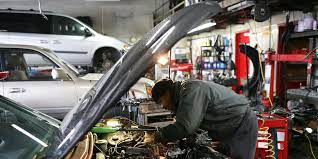
However, your car’s owner’s manual is the ultimate authority on recommended service intervals. It outlines the specific maintenance schedule for your vehicle, factoring in its make, model, and engine type. This schedule might include additional services like air filter replacements, spark plug changes, or transmission fluid flushes at specific mileage milestones.
Following a consistent service schedule offers several benefits. It helps identify and address minor issues before they escalate into major repairs, saving you money in the long run. Regular maintenance also optimizes your car’s performance and fuel efficiency. Most importantly, it ensures your car operates safely by keeping critical components functioning properly.
A car breakdown on the road can be a stressful experience. But staying calm and following a few key steps can help you navigate the situation safely and efficiently and any local auto repair shop will be there to help you soon.
Firstly, ensure your safety and the safety of others. If possible, pull over to a safe location away from traffic. Turn on your hazard lights and activate your parking brake. If you’re on a highway, try to get as far off the road shoulder as possible.
Once you’re secure, assess the situation. Can you identify any obvious causes of the breakdown, such as a flat tire, empty gas tank, or a dead battery? If not, it’s best to call for roadside assistance. Many insurance companies offer breakdown coverage as part of their policies. If you don’t have roadside assistance, contact a local towing company.
While waiting for help to arrive, make yourself visible. Use flares or reflective triangles to warn approaching traffic. Stay in your car and avoid attempting major repairs yourself, especially on busy roads.
When the tow truck arrives, communicate the problem clearly with the driver. They can tow your car to a nearby repair shop of your choice, or they might offer basic roadside repairs to get you back on the road.
By staying calm and following these steps, you can minimize the stress and inconvenience of a roadside breakdown. Having a well-maintained car and a roadside assistance plan in place can further reduce the hassle of such situations. Remember, a little preparation can go a long way in ensuring a smooth and safe driving experience.
Keeping your car reliable requires regular maintenance, but budgeting for these expenses can be tricky. Here’s a breakdown to tackle car maintenance costs for the next 3 months. First, gather information. Consult your car’s manual for recommended services and research average costs in your area. Look back at past maintenance records to identify any recurring needs or potential upcoming repairs.
Next, estimate quarterly costs. Add up the service costs and factor in a buffer amount for unexpected situations like topping off fluids or minor repairs. Now, craft your budget. Allocate a portion of your “needs” category towards car maintenance. Consider creating a dedicated savings account and contribute a set amount each month to ensure funds are readily available. Track your expenses throughout the quarter to stay on budget and identify areas for adjustment.
Finally, optimize your strategy. Compare prices between repair shops and consider tackling basic tasks yourself if comfortable. Look for discounts and promotions offered by repair shops. Remember, budgeting is a flexible process. Adjust your allocations as needed and schedule appointments well in advance. Consistent preventative maintenance is key – it not only keeps your car running smoothly but can prevent expensive repairs down the road. By planning ahead, you can ensure a smooth ride and avoid financial surprises.